VASER® und RENUVION®
Unsere neuen Behandlungen für einen definierten und straffen Körper.
Im Auftrag der Schönheit.
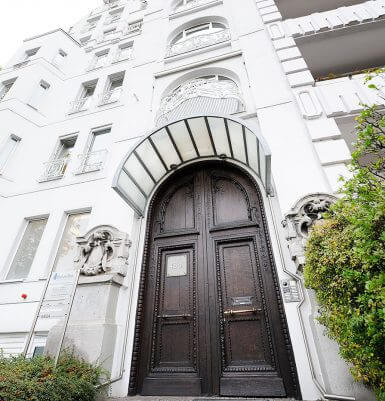
Die renommierte Adresse für Plastische & Ästhetische Chirurgie in Düsseldorf.
Mit dem Laden des Videos akzeptieren Sie die Datenschutzerklärung von YouTube.
Mit dem Laden des Videos akzeptieren Sie die Datenschutzerklärung von YouTube.
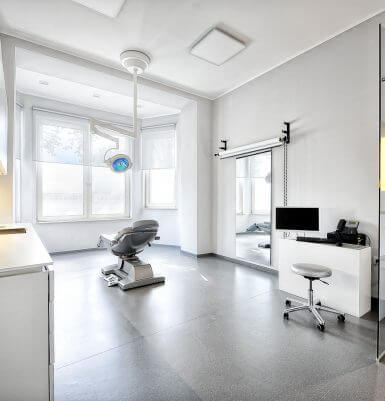
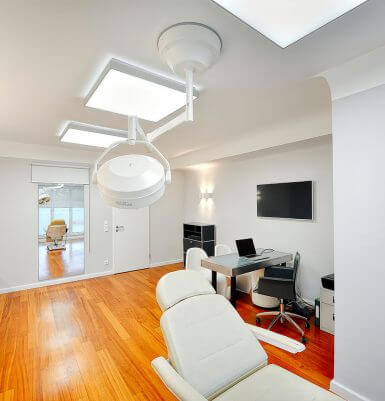
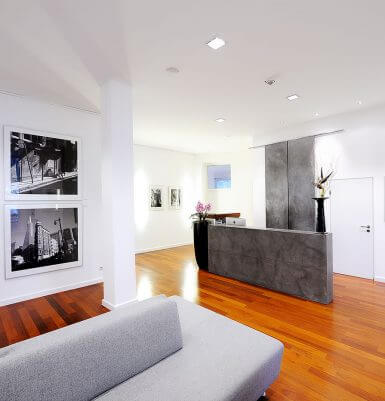
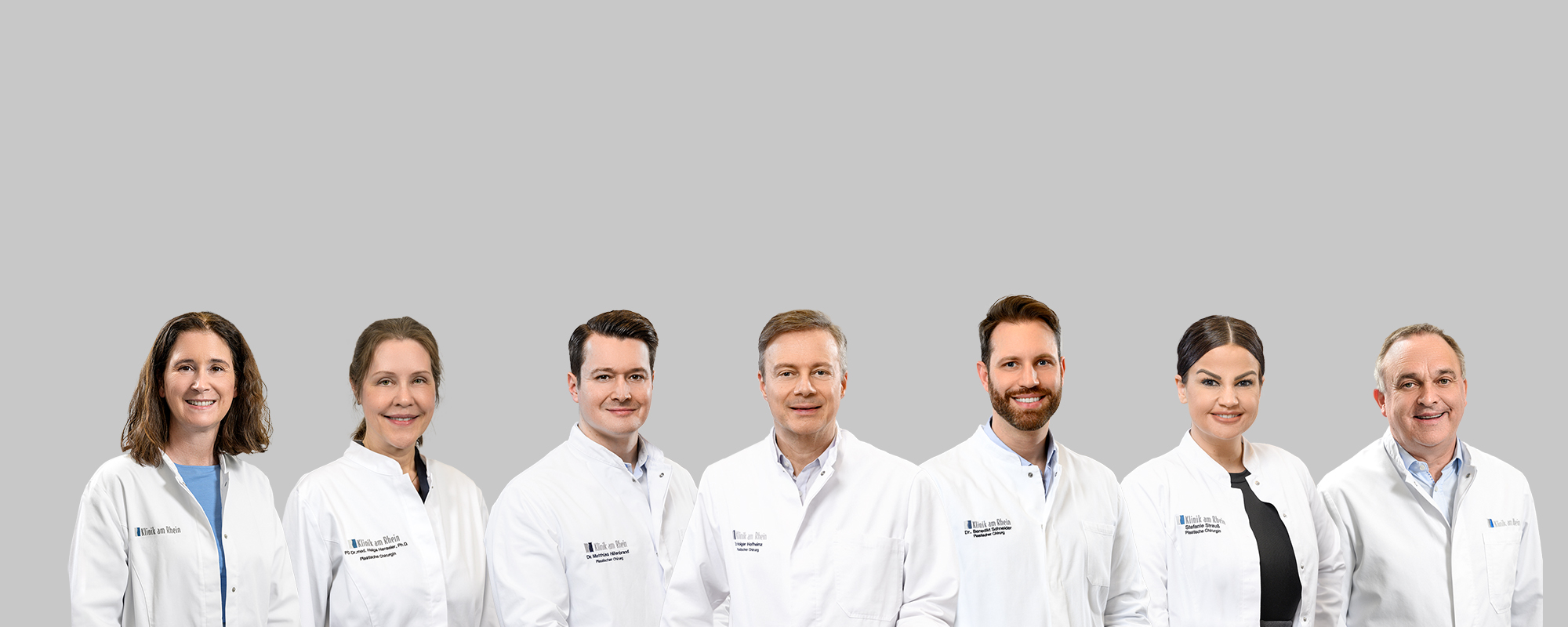
Unsere Klinik zeichnet sich besonders durch die fachliche und jahrelangen Kompetenz unserer Fachärzte für Plastische Chirurgie und Fachärzte für Anästhesie aus. Dadurch garantieren wir höchste Sicherheit, sowohl in der Einhaltung strengster Hygiene-Standards als auch in der Durchführung aller Behandlungen. Die seit über 20 Jahren in Düsseldorf etablierte Fachklinik erfüllt alle logistischen Anforderungen der staatlichen §30-Konzession für Krankenhäuser und bietet Patienten darüber hinaus den Komfort einer exklusiven Schönheitsklinik.
Die operativen Schwerpunkte liegen in der Brustvergrößerung, Brustverkleinerung, Bruststraffung, der Bauchdeckenstraffung, der Fettabsaugung, dem Facelift sowie den Nasenkorrekturen und Lidkorrekturen. Zudem führen wir im nichtoperativen Bereich Faltenbehandlungen mit muskelentspannenden Medikamenten oder Hyaluronsäure durch. Dank modernster und schonender OP-Verfahren können wir heute mehr denn je das Wohlbefinden und die Lebensqualität unserer Patienten mithilfe der Plastischen Chirurgie deutlich und sicher verbessern.
Unsere Behandlungen sind auf keine Altersgruppe beschränkt. Wir begrüßen in unserer Klinik sowohl junge als auch ältere Patientinnen und Patienten.
In der Klinik am Rhein warten wir stets mit neuester Technologie auf. Wie beispielsweise im Bereich des 3D-Gesichts-Scans – mit dem VISIA von Canfield! Die dreidimensionale Visualisierung zur optimierten Behandlungsplanung fällt in den Kompetenzbereich unserer Kollegin Frau Dr. Helga Henseler.
Vereinbaren Sie jetzt ein unverbindliches Beratungsgespräch zu Ihrem Wunschtermin!
Wir freuen uns auf Ihre Kontaktaufnahme.



Der Entschluss für eine plastisch-ästhetische Behandlung benötigt manchmal etwas Zeit, zu reifen. Das wissen wir! Um Sie bei Ihrer Entscheidung zu unterstützen und mögliche Zweifel und Sorgen zu stillen, lassen wir unsere Patienten selbst zu Wort kommen. Im lockeren Interview sprechen sie über ihre Erfahrungen mit der Klinik am Rhein, nehmen Bezug auf ihre Behandlung, die Nachsorge – und natürlich auf ihr Leben nach dem Eingriff.
Mit dem Laden des Videos akzeptieren Sie die Datenschutzerklärung von YouTube.
Mit dem Laden des Videos akzeptieren Sie die Datenschutzerklärung von YouTube.
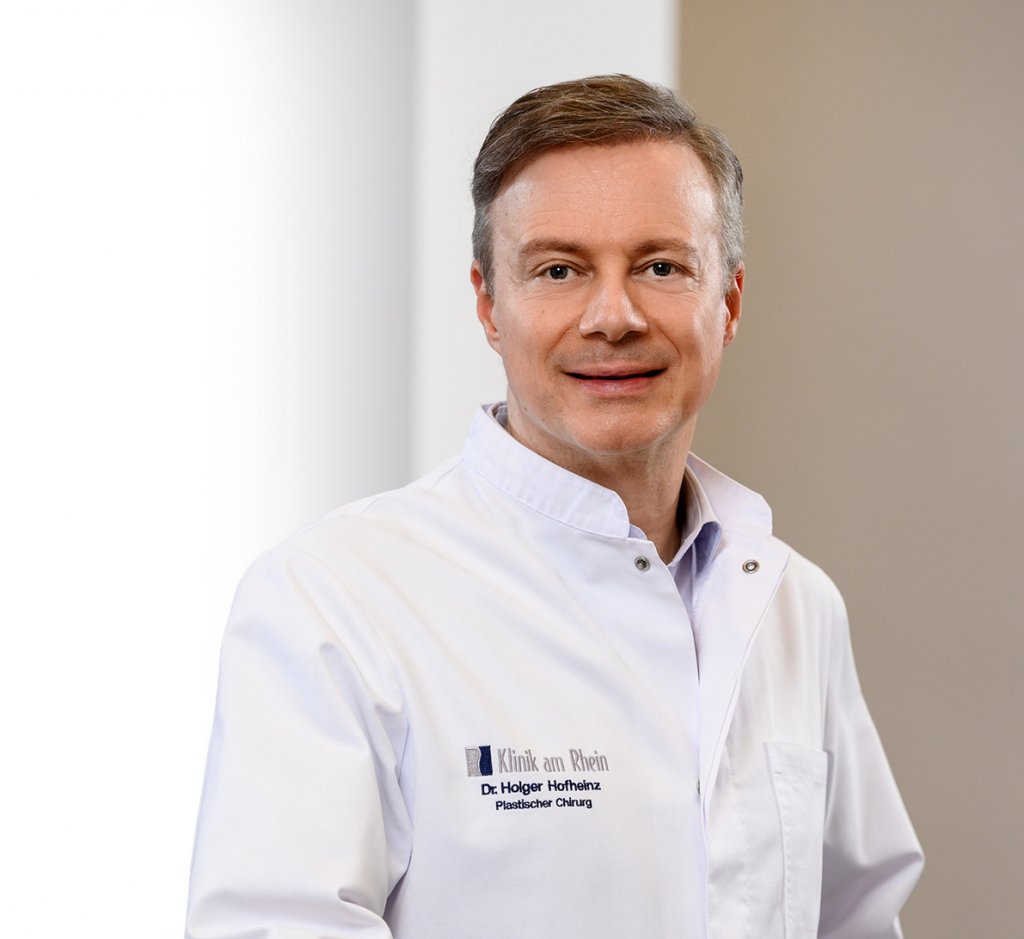
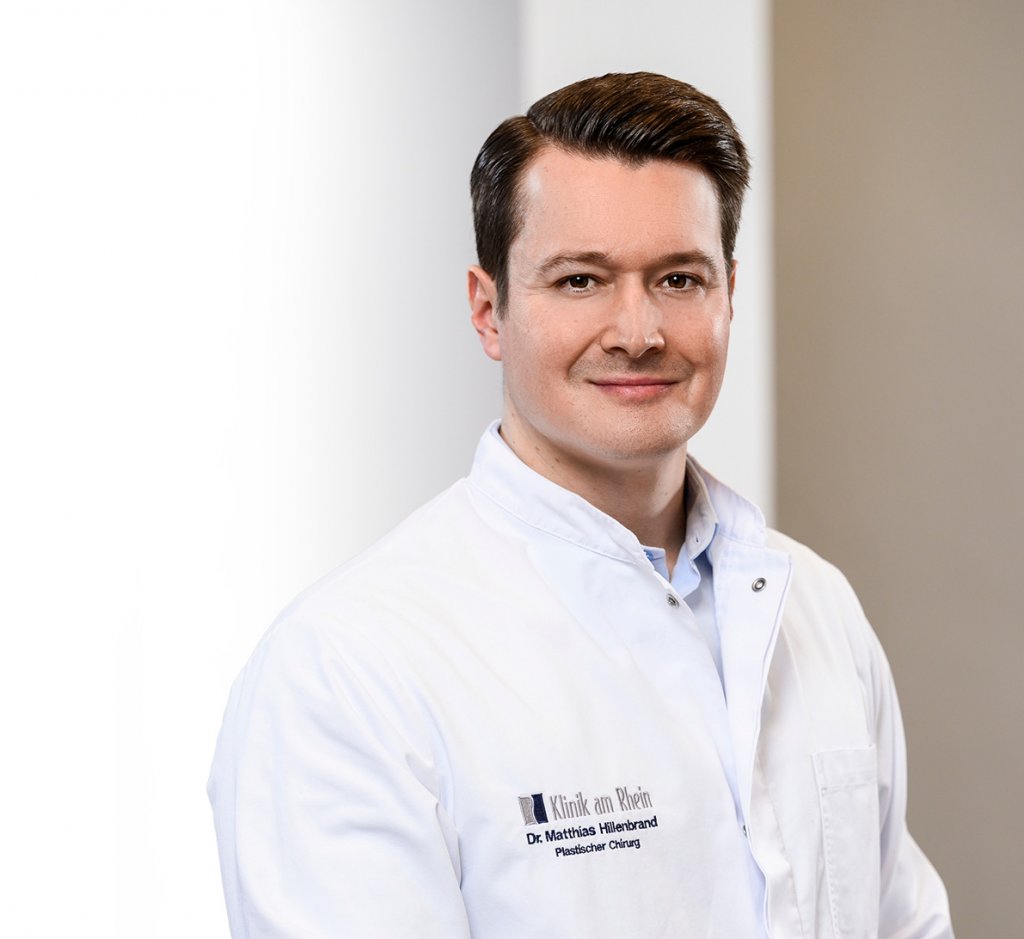
Facharzt für Plastische und Ästhetische Chirurgie
Bestmögliche Ergebnisse und höchstmögliche Sicherheit für unsere Patientinnen und Patienten stehen für mich an erster Stelle.Profil ansehen
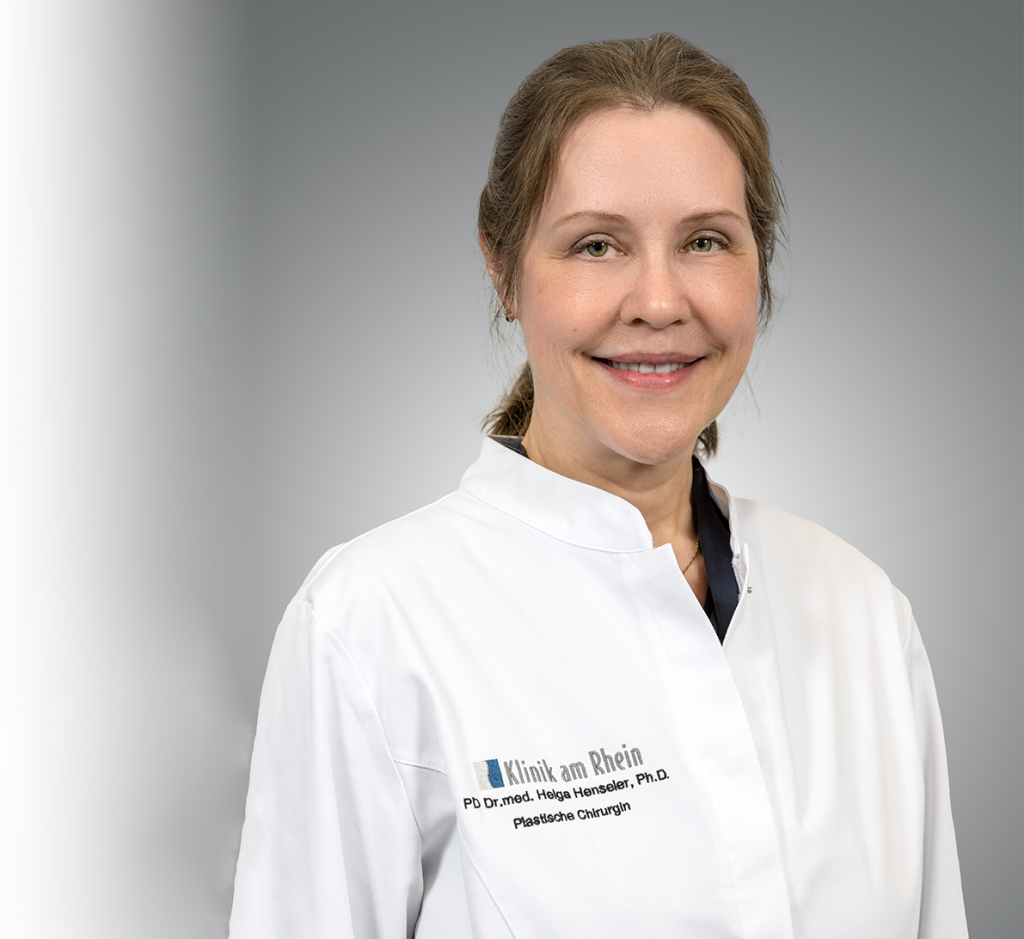
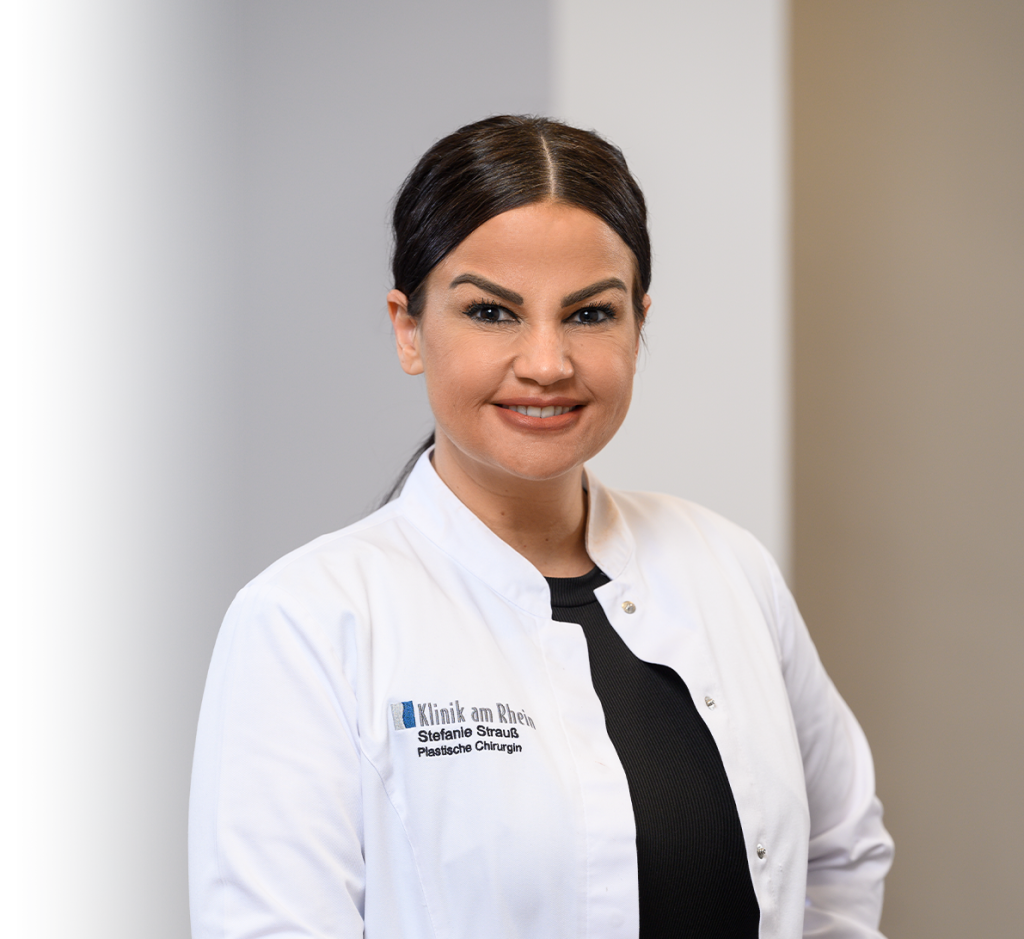
Fachärztin für Plastische und Ästhetische Chirurgie
Qualität der Behandlung und Patientensicherheit stehen für mich im Fokus. Hierbei biete ich Ihnen ein offenes Ohr und ruhiges Zuhören für Ihr Anliegen.Profil ansehen
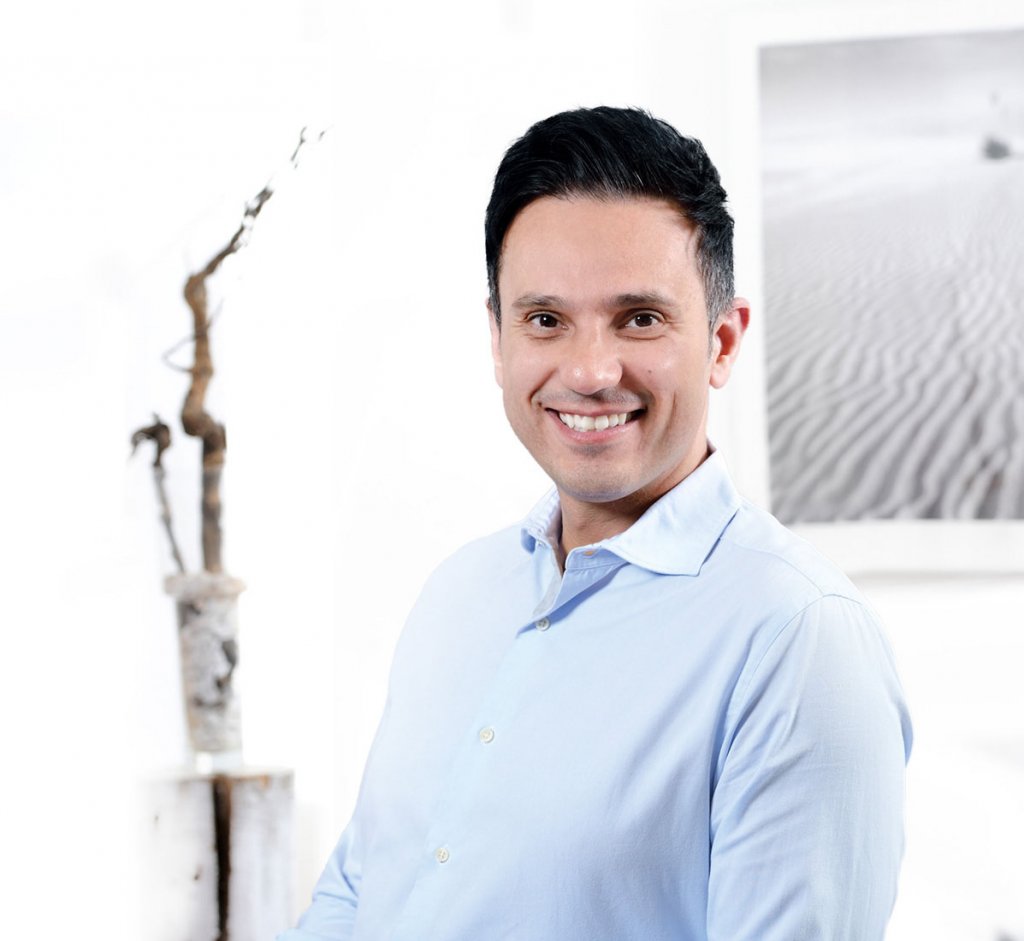
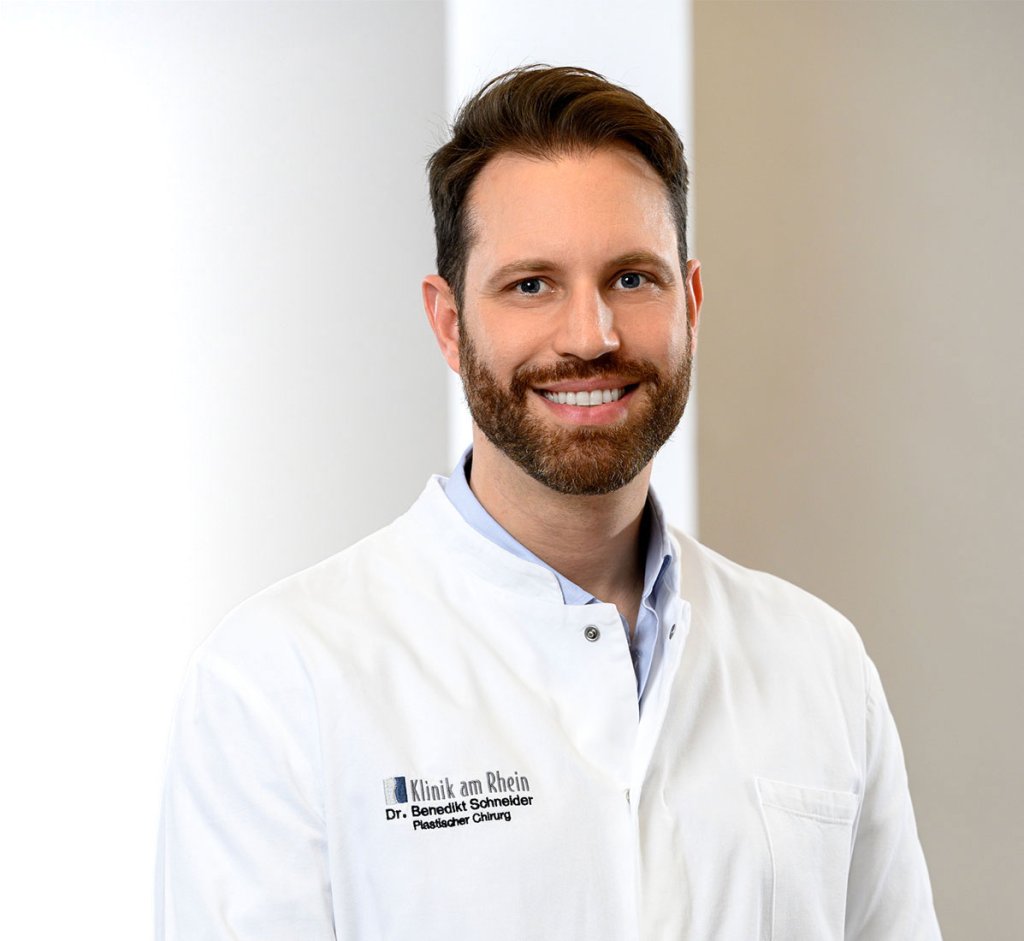
Facharzt für Plastische und Ästhetische Chirurgie
Ehrlich Möglichkeiten und Grenzen der modernen Schönheitschirurgie aufzuzeigen, ist eine Voraussetzung, um gute Behandlungsergebnisse zu erzielen.Profil ansehen
Gerne beantworten wir Ihre Fragen.
 Brust
Brust Gesicht
 Haut
Haut Körper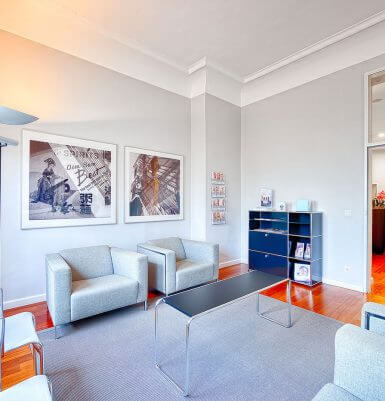

 EN
EN 







 3D-Analyse